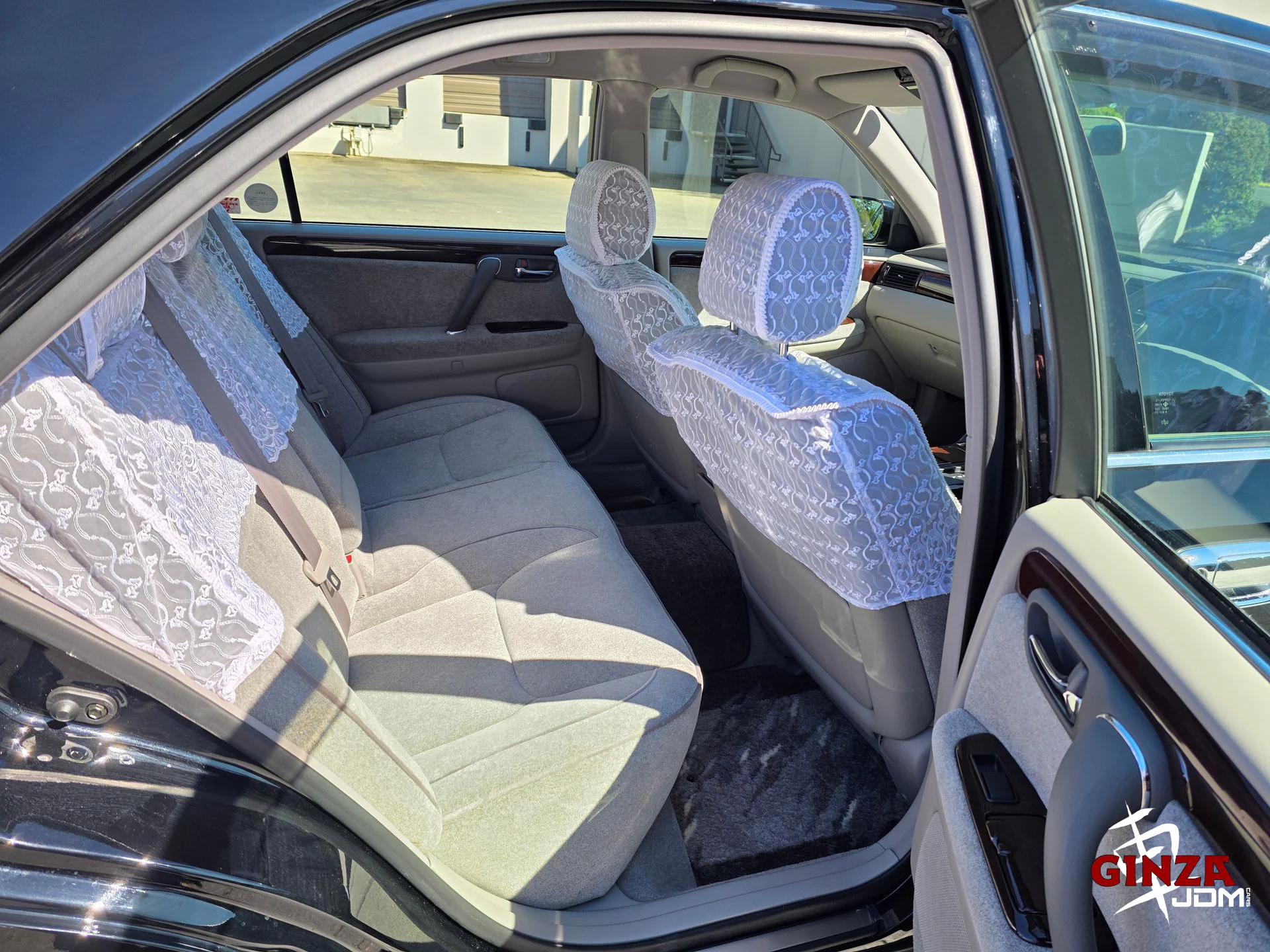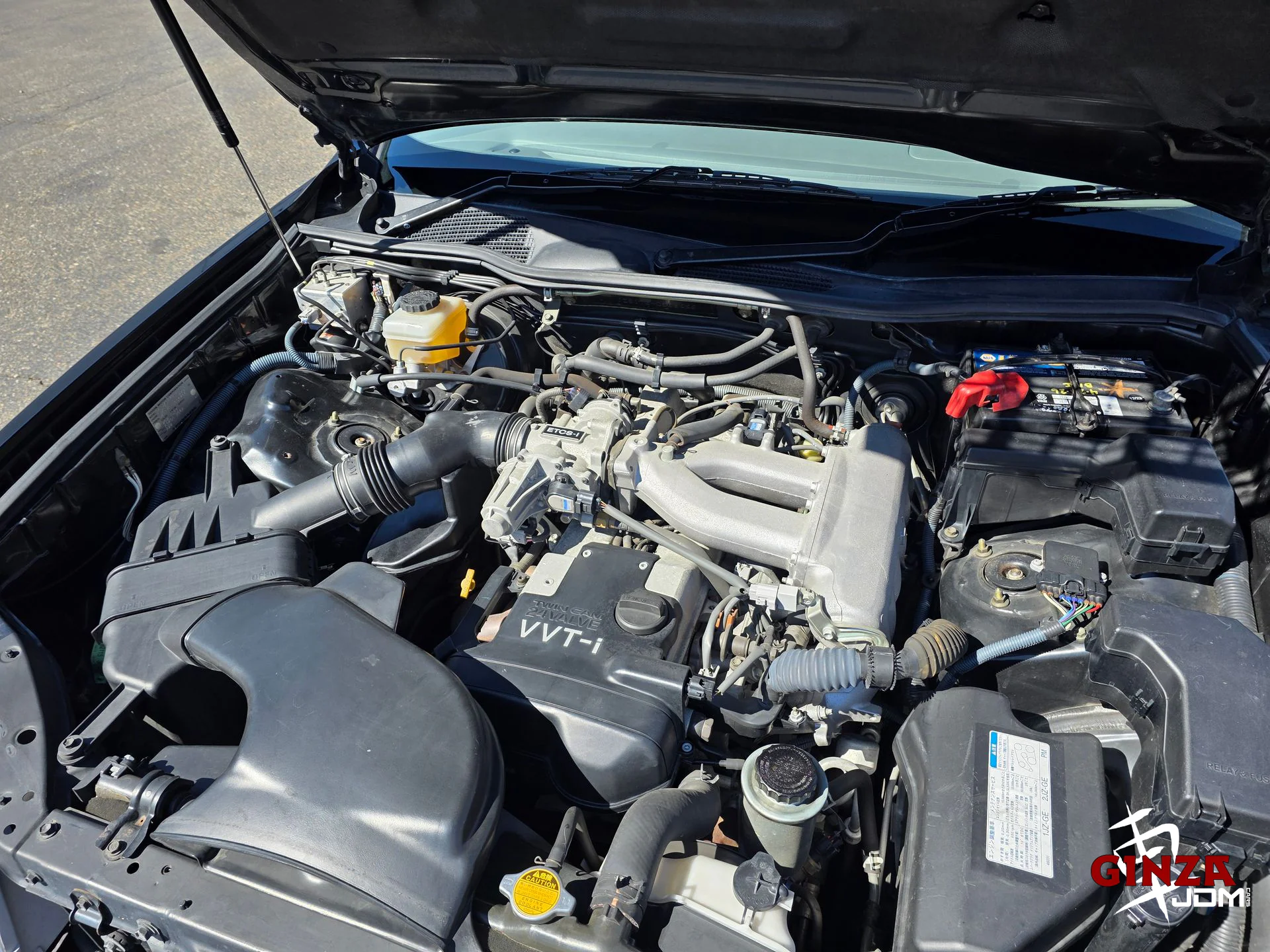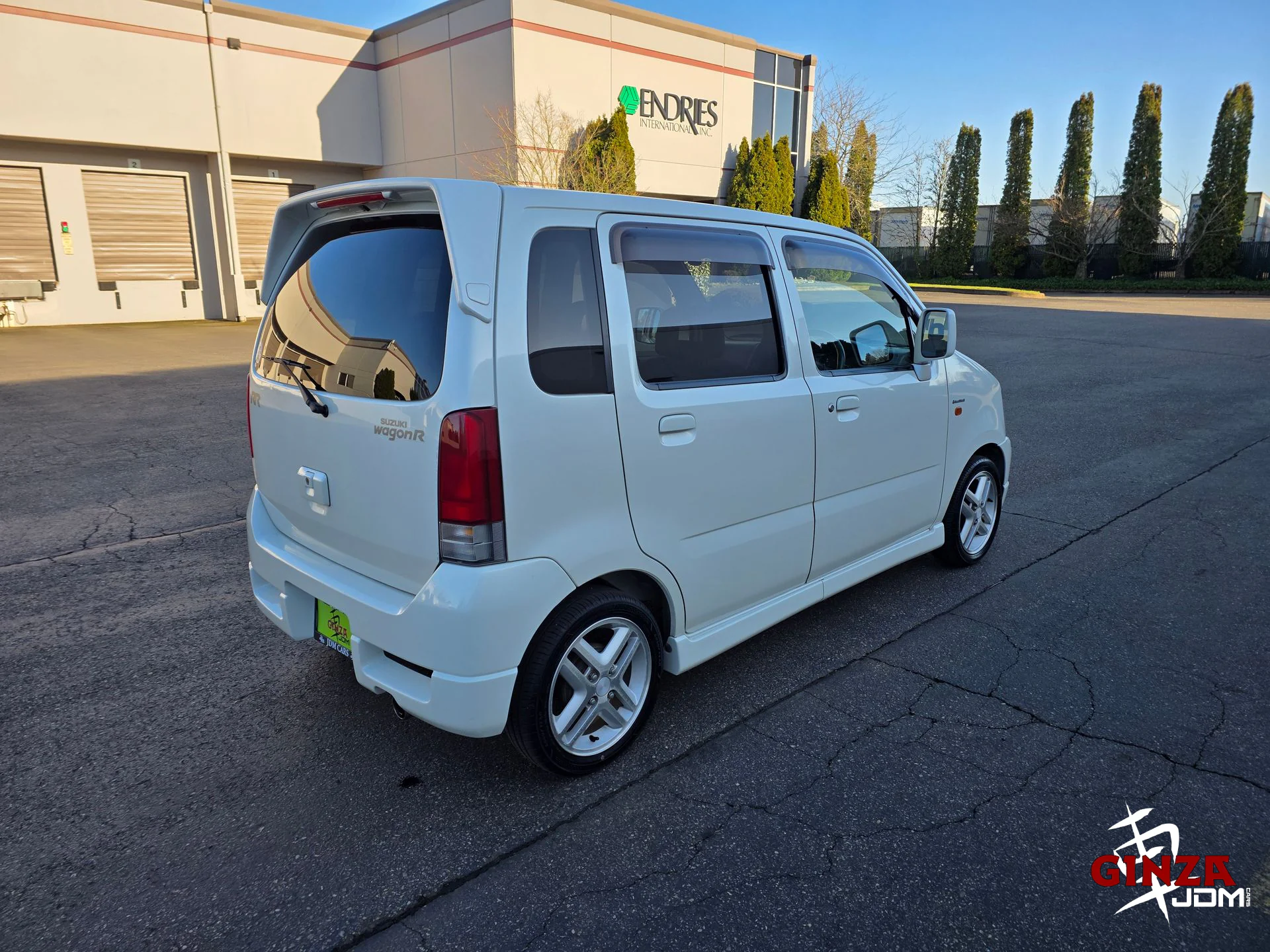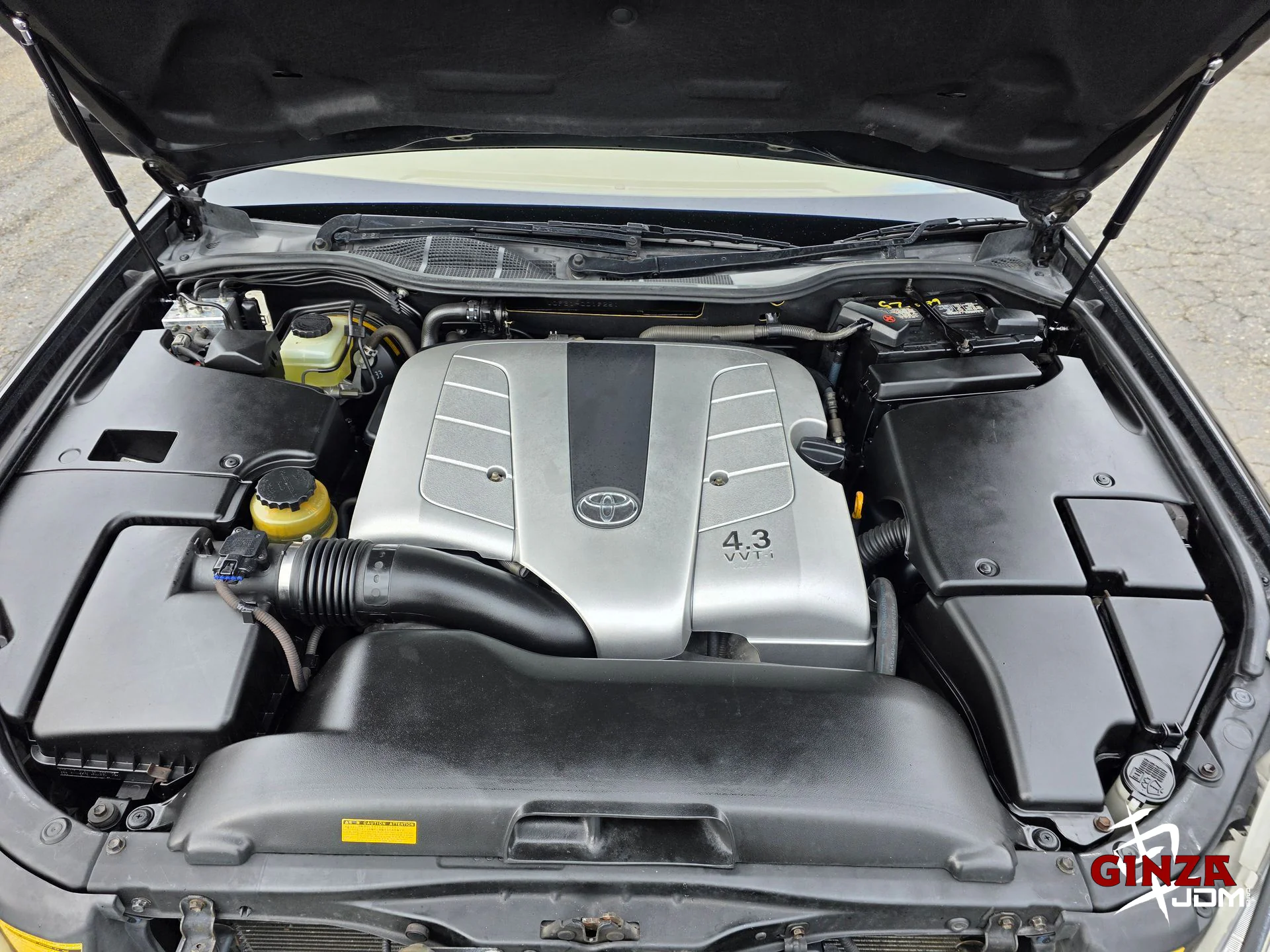
The Gatekeeper of Japanese Automotive Dreams
For many enthusiasts, the dream of owning a Nissan Skyline R34 or a clean Toyota Chaser feels like a rite of passage. These cars represent a specific era of engineering and style that wasn't available in local showrooms. However, anyone who has spent time on automotive forums knows the conversation eventually hits a wall: the 25-year rule. This regulation is the single most important factor for importing a vehicle into the United States. It dictates what you can drive, when you can drive it, and how much paperwork you will need to fill out before the wheels touch American soil.
What Exactly is the 25-Year Rule?
The 25-year rule refers to a specific exemption provided by the National Highway Traffic Safety Administration (NHTSA). Under the Imported Vehicle Safety Compliance Act of 1988, vehicles that were not originally manufactured to meet Federal Motor Vehicle Safety Standards (FMVSS) are generally prohibited from being imported. These standards cover everything from crash-test ratings to the placement of reflectors and the durability of glass. Since Japanese Domestic Market (JDM) cars were built for Japan, they naturally do not comply with these specific U.S. safety regulations.
The law provides a loophole. Once a vehicle reaches 25 years of age, it is considered a classic or antique. At this point, the NHTSA no longer requires the car to meet FMVSS. This age is calculated based on the specific month and year of manufacture, not just the model year. If a car was built in June 1999, it becomes legal to import in June 2024. Attempting to bring a car in even a few weeks early can result in the vehicle being seized or crushed by Customs and Border Protection (CBP).
Safety vs. Emissions: The 21-Year Rule
While the NHTSA handles safety, the Environmental Protection Agency (EPA) handles what comes out of the tailpipe. This is where things get slightly easier but also more confusing. The EPA has its own set of rules for non-conforming vehicles. Generally, a car that is at least 21 years old is exempt from federal emissions requirements, provided it still has its original engine or an engine that was previously certified by the EPA. This is why you might hear about the 21-year rule. While you might clear the EPA hurdle at 21 years, you still cannot legally drive the car on public roads until the 25-year NHTSA clock runs out. In almost every practical scenario, the 25-year mark is the one that truly matters for legal street use.
Calculating the Manufacture Date Correctly
Miscalculating the date is a common mistake that can lead to total loss. You cannot rely solely on the registration documents from Japan, as those often list the date of first registration rather than the actual build date. To be safe, verify the chassis number against manufacturer databases. Bogdan Vovk and other experienced importers emphasize the importance of verifying the production month. If you buy a 1999 model that was manufactured in December, you cannot legally clear customs in January. That car must stay in Japan or a bonded warehouse until December rolls around.
The Role of State Laws and CARB
Federal legality is only the first step. Once the car clears customs and you have your stamped HS-7 and 3520-1 forms, you have to deal with your local Department of Motor Vehicles. Most states are straightforward. They see the federal paperwork and issue a title. However, California is a notable exception. The California Air Resources Board (CARB) has its own stringent emissions requirements. Even if a car is 25 years old and federally legal, it may still require expensive modifications to meet California's specific standards for cars built after 1975. Always check your local state regulations before placing a bid at a Japanese auction.
Why the Rule Exists
The history of this law is rooted in protectionism rather than safety. During the 1980s, the grey market was booming. Individuals were importing European luxury cars at a lower cost than local dealers could offer. Mercedes-Benz of North America successfully lobbied Congress to tighten import laws, claiming that non-conforming cars were unsafe. The result was the 1988 Act, which effectively shut down the grey market for newer vehicles. While it was intended to protect dealer profits, it created the 25-year waiting period that JDM fans live with today.
The Show or Display Exception
There is a rare exception to the 25-year rule known as Show or Display. This allows for the import of certain historically or technologically significant vehicles before they turn 25. However, the list of approved vehicles is very short. Cars like the Nissan Skyline R34 GT-R M-Spec Nur are on it, but the permission comes with strict limitations. You are typically limited to driving the car no more than 2,500 miles per year, and the application process is rigorous. For the vast majority of enthusiasts, waiting for the 25th birthday is the only viable path.
Avoiding the Scams
The demand for JDM cars has led to some shady practices. Some sellers try to bypass the law by swapping VIN plates or shipping cars as parts. These are federal crimes. If a deal seems too good to be true or a seller claims they have a way to register a 15-year-old car legally, walk away. The Department of Homeland Security has been known to track down and seize illegally imported vehicles years after they have entered the country. Genuine JDM ownership is built on patience and proper documentation. When you finally get behind the wheel of a legal import, the peace of mind is worth every year of waiting.