Understanding the Shift in Japanese Classic Values
The market for Japanese Domestic Market (JDM) vehicles has transformed over the last decade. What used to be a hobby for enthusiasts looking for cheap performance has evolved into a legitimate asset class. Collectors now view certain 1990s and early 2000s models with the same reverence previously reserved for air-cooled Porsches or vintage Ferraris. This shift is not just driven by nostalgia. It is fueled by limited production numbers and a growing global demand that far outstrips the remaining supply of clean, original examples.
Identifying a car with appreciation potential requires a focus on historical weight and mechanical purity. You need to look past the current trends to see what will hold value in twenty years. The cars that fetch the highest prices today were once the heroes of the track or the stars of influential automotive media. These machines carry a legacy that resonates across generations.
The Power of the 25-Year Rule
In the United States, federal regulations dictate that vehicles not originally sold in the domestic market must be at least 25 years old to be legally imported. This rolling window creates a predictable cycle of demand. When a legendary model hits that 25-year mark, a flood of American buyers enters the market, causing prices in Japan to skyrocket. Professional collectors often look ahead at the next few years to identify what is about to become legal. Buying a year or two before that threshold can result in significant immediate equity once the car is eligible for US roads.
The Skyline GT-R Hierarchy
The Nissan Skyline GT-R remains the gold standard for JDM investment. While the R32 was the pioneer that earned the Godzilla nickname, the R34 is currently the king of the market. Its sophisticated all-wheel-drive system and iconic styling have made it a holy grail for collectors. Prices for the R34 have already reached six figures for base models, with rare variants like the Z-Tune or V-Spec II Nür reaching much higher. If you find the R34 price point too high, the R33 offers a compelling middle ground. It was long considered the underdog, but enthusiasts are now realizing its stability and refinement make it a superior grand tourer.
The Legend of the A80 Supra
Toyota's A80 Supra is another cornerstone of the investment market. The 2JZ-GTE engine is famous for its over-engineered durability and ability to handle massive power. Original, unmodified Twin Turbo models with a 6-speed Getrag transmission are increasingly difficult to find. These stock examples are the ones that command the highest premiums at auction. Collectors value a clean history and factory paint over performance modifications. If a Supra has been heavily tuned, its value as a pure investment often decreases compared to a factory-spec survivor.
Mechanical Rarity and Special Editions
Limited production runs are a primary driver of value. Homologation specials, which were built so manufacturers could compete in specific racing series, are particularly desirable. The Mitsubishi Lancer Evolution and the Subaru Impreza 22B are prime examples. These cars were designed for the rally stage and featured technology that was ahead of its time. Because they were produced in such small quantities, they have a built-in scarcity that protects their value even during market fluctuations.
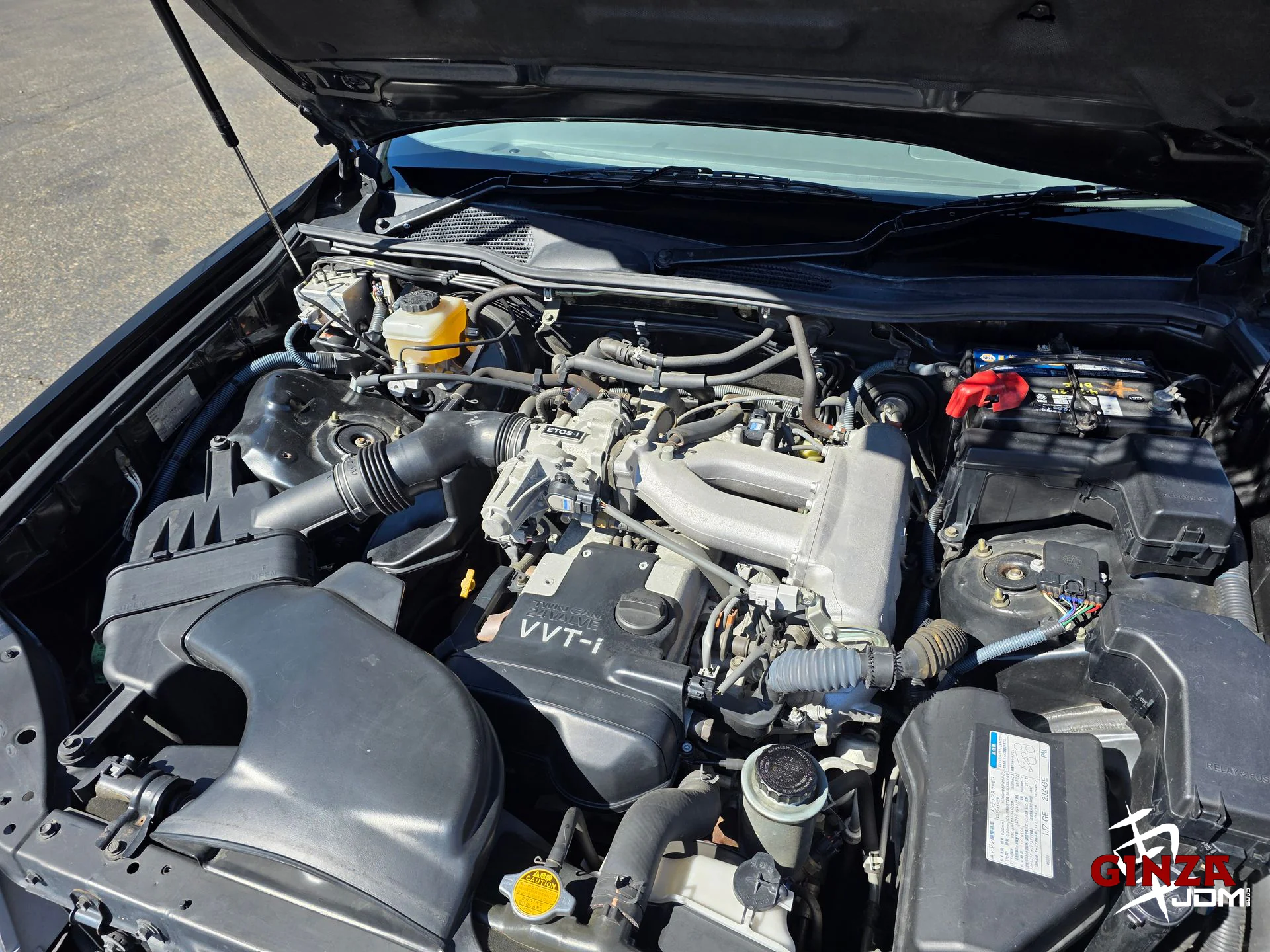
The Mazda RX-7 FD is another high-potential asset. Its sequential twin-turbocharged rotary engine and timeless design make it a standout. However, the complexity of the rotary engine means that maintenance history is critical. A documented engine rebuild or a low-mileage original block can add thousands to the final sale price. Bogdan Vovk emphasizes that transparency regarding a vehicle's mechanical health is the most important factor when dealing with high-end imports.
Condition and Authenticity Over Power
A common mistake new investors make is prioritizing horsepower over originality. In the world of high-end car collecting, every non-factory bolt can be a point of contention. Buyers look for original interior fabrics, factory radio units, and the absence of body modifications like rolled fenders. A car that has been kept in its original state represents a preserved piece of history. This preservation is what future buyers will pay for.
Service History: Consistent maintenance records show the car was cared for rather than just driven hard.
VIN Verification: Ensuring the engine and transmission match the chassis is vital for long-term value.
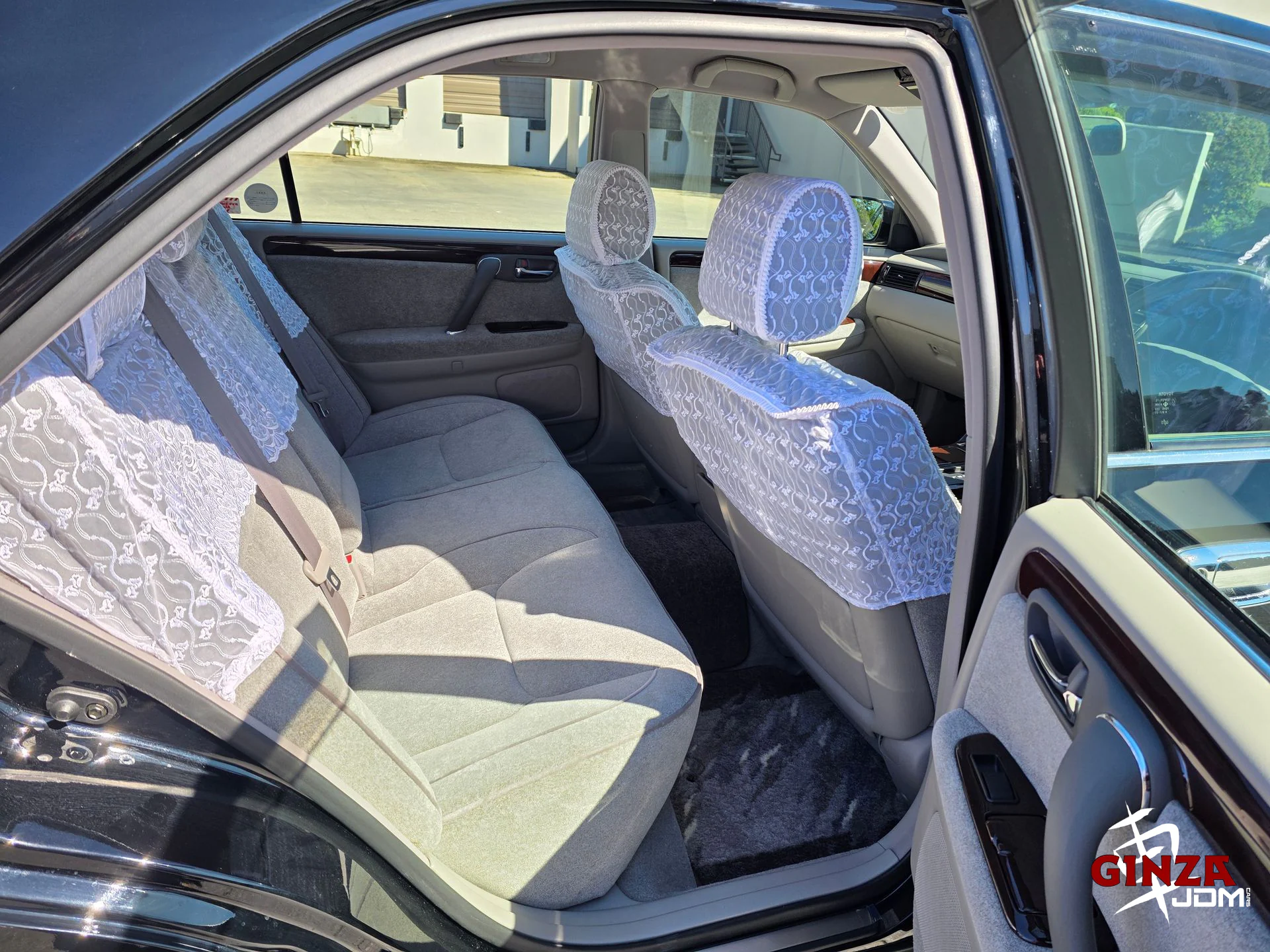
Interior Integrity: JDM plastics and fabrics can be hard to replace, so a pristine cabin is a huge plus.
Rust is the ultimate enemy of the JDM investment. Many Japanese regions use salt on the roads, and older chassis were not always treated with the best rust prevention. A thorough inspection of the undercarriage, strut towers, and rear quarters is mandatory. Even a mechanically perfect car loses most of its investment value if the shell is compromised by corrosion.
The Role of Cultural Significance
Popular culture has a massive impact on which cars appreciate. The influence of Japanese racing programs, video games like Gran Turismo, and film franchises cannot be understated. These media outlets shaped the dreams of a generation that is now reaching its peak earning years. As these individuals enter the collector market, they seek out the cars they grew up admiring. This emotional connection creates a floor for prices that is unlikely to drop. You are not just buying a machine; you are buying the physical manifestation of a cultural era.
Final Considerations for the JDM Buyer
Investing in a Japanese classic involves more than just picking a fast car. It requires a strategy that accounts for storage, insurance, and the logistical hurdles of international shipping. Finding a reputable partner to handle the acquisition and verification process is essential. When you purchase a vehicle that has been meticulously inspected and legally imported, you eliminate many of the risks that plague the lower end of the market. High-quality Japanese classics are finite resources. As more people realize the thrill of driving a 90s icon, the remaining pool of great cars will continue to shrink, making today's careful purchase tomorrow's prized asset.