The Reality of Owning a Japanese Import
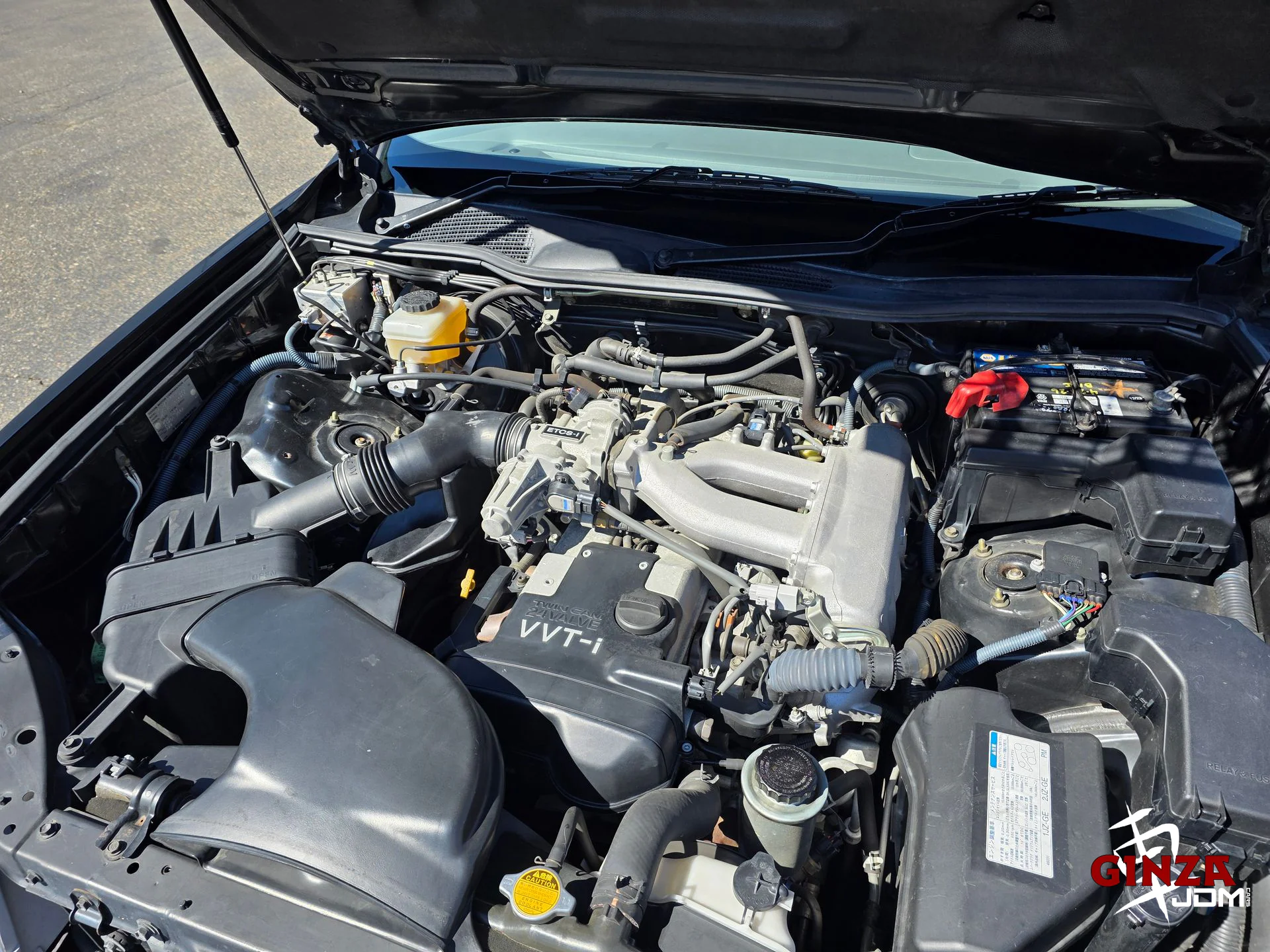
The thrill of finally landing a Nissan Skyline or a Toyota Chaser is unmatched. You have waited years for that 25-year rule to expire, and now the car is sitting in your driveway. However, the honeymoon phase often ends the first time you need a specific replacement part. Unlike a domestic Camry or Civic, you cannot simply walk into a local chain auto parts store and expect them to have a water pump for a 1990s 1JZ-GTE engine in stock.
Maintaining a JDM vehicle in the United States requires a shift in mindset. You become a researcher, a logistics coordinator, and sometimes a detective. The good news is that the community has grown significantly. Sourcing parts and finding mechanical expertise is easier now than it was a decade ago, provided you know where to look.
The Chassis Code Challenge
Standard American vehicles use a 17-digit VIN. Japanese domestic market vehicles do not. They use a shorter chassis code, such as BNR32 for a Skyline GT-R or FD3S for a Mazda RX-7. This is the first hurdle many new owners face when trying to buy parts online. Many US-based dealership systems will not recognize these codes.
You must learn to use Japanese parts catalogs. Websites like Amayama or Megazip allow you to enter your chassis code and view exploded diagrams of every system in the car. These diagrams provide the exact OEM part numbers you need. Once you have the part number, the entire process becomes much simpler. You can search that specific number on international marketplaces or even check if a US-equivalent model used the same component.
Sourcing Genuine JDM Parts
Buying parts for an imported car usually falls into three categories: New Old Stock (NOS), used parts from Japanese auctions, or modern aftermarket replacements. For critical engine components or seals, OEM is always the safest bet. Rubber components on 25-year-old cars are often brittle. Replacing front and rear main seals, timing belts, and vacuum lines should be your priority.
Amayama and Megazip are excellent for ordering new parts directly from warehouses in Japan or the UAE. Shipping is often surprisingly fast, though it can be expensive due to the weight and distance. For used body panels or rare interior trim pieces, Yahoo! Japan Auctions is the gold standard. You will likely need a proxy service to bid and ship these items to the US, as most Japanese sellers do not ship internationally.
Do not overlook US-based specialist shops. Companies like Terra Firma Automotive or Nengun Performance stock a wide range of common maintenance items specifically for the JDM market. Using a domestic supplier can save you weeks of waiting and high international shipping fees.
The Cross-Referencing Secret
Many Japanese engines were shared across different models, some of which were sold in the US. For instance, a 1990s Toyota Hilux Surf might share suspension or braking components with a US-spec 4Runner. A Nissan Silvia S15 might use similar sensors to an S14 240SX. Taking the time to cross-reference part numbers can save you a fortune. If a part was sold on a domestic US model, you can find it at your local parts store for a fraction of the price of an imported equivalent.
Finding the Right Mechanic in the USA
Not every mechanic is comfortable working on a right-hand drive (RHD) vehicle. Some shops are intimidated by the lack of familiar documentation, while others simply do not want the liability of working on a car with hard-to-source parts. When looking for a shop, transparency is key. You need a technician who respects the heritage of the vehicle and understands that they cannot just run to the local warehouse if they break a plastic clip.
Start by looking for shops that specialize in performance imports. Tuning shops that focus on Supras, Skylines, or Evos are your best bet. These mechanics are used to seeing 1JZ, 2JZ, RB26, and SR20 engines. They already know the common failure points and often have their own domestic sources for parts.
If you live in a rural area without a specialized JDM shop, look for a mechanic who specializes in the specific brand. A dedicated Toyota or Honda specialist will feel more at home under the hood of an import than a generalist who works on domestic trucks all day. Always ask if they have worked on RHD vehicles before. The mechanical layout is usually mirrored, which can complicate simple tasks like reaching the brake master cylinder or clutch slave cylinder.
Leveraging the JDM Community
The most valuable resource for maintenance is the owner community. Forums were once the hub, but much of that knowledge has moved to specific Facebook groups and Discord servers. If you are struggling with a specific mechanical issue, search these groups. It is highly likely that someone else in the US has already faced the same problem and documented the fix.
Bogdan Vovk and other enthusiasts often emphasize that the quality of your ownership experience depends on the quality of your initial purchase. A well-maintained car from Japan will always be easier to service than a neglected one. When you buy a car with a documented history, you aren't just buying metal and rubber. You are buying a roadmap for its future maintenance.
The DIY Approach
Because labor costs for specialized shops can be high, many JDM owners choose to do their own maintenance. Basic tasks like oil changes, spark plug replacements, and coolant flushes are identical to any other car. The biggest difference is the tool access. Right-hand drive engine bays can be cramped because the steering column and brake assembly take up space originally designed for other components in LHD models.
Invest in a good set of metric tools. Japanese cars are built entirely with metric fasteners. Having a variety of extensions, swivel sockets, and thin-profile wrenches will make working in a tight RHD engine bay much less frustrating. Always keep a digital copy of the factory service manual on your phone or tablet. Even if the manual is in Japanese, the torque specs and fluid capacities are universal.
Preventative Maintenance is Non-Negotiable
You cannot treat an imported 90s legend like a modern commuter. These cars are aging gracefully, but they still age. A regular inspection schedule is vital. Check your cooling system frequently. High-performance Japanese engines are sensitive to heat. A small leak in a 30-year-old radiator hose can lead to a blown head gasket in minutes.
Maintenance is part of the hobby. Sourcing a rare part from a warehouse in Osaka or finding a mechanic who shares your passion for 90s engineering is part of the journey. If you stay ahead of the service intervals and build a network of reliable suppliers, your JDM import will remain a reliable piece of automotive history for years to come.